
What is the School Philanthropy Program?
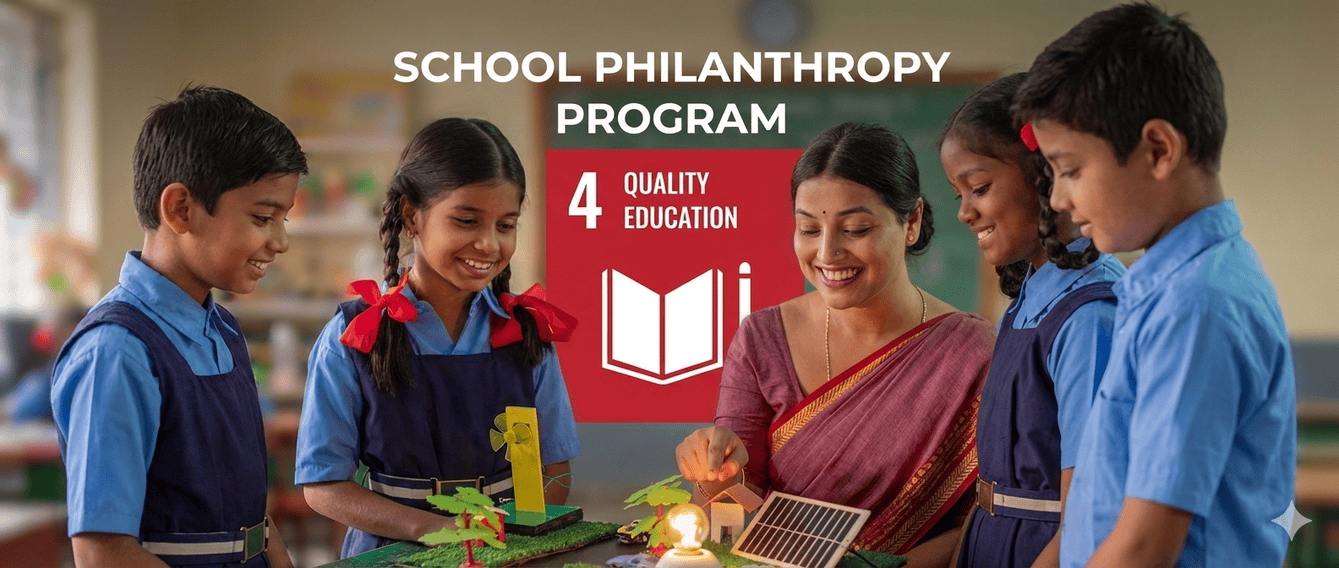
The School Philanthropy Program is a structured initiative that integrates education, values, and social responsibility into the school ecosystem. Aligned with the United Nations Sustainable Development Goals (SDGs), the program enables students, teachers, and schools to participate meaningfully in real-world social impact—without disrupting academic priorities.
The Core Value Proposition
Together We Build Responsible Tomorrow
The Vision of the Future (NEP & SDG Hook)
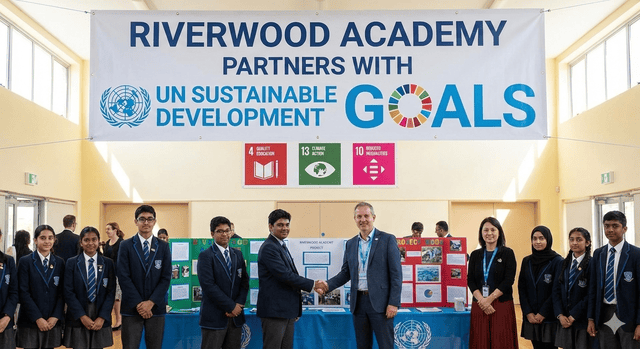
The National Education Policy (NEP 2020/2023) calls for holistic development and value-based education. The UN Sustainable Development Goals (SDGs) demand immediate local action. The Vighneshwara Foundation answers this dual mandate with the School Philanthropy Program™.
We move beyond traditional volunteering. We offer a low-cost, high-impact system that institutionalizes social responsibility, transforming every school into a living lab for Conscious Leadership and राष्ट्र निर्माण (Nation Building).



Mission
To institutionalize philanthropy within schools.
To convert learning into meaningful social action.
To empower students to understand, feel, and respond to societal challenges.
To support schools with a ready-made, structured impact framework.
Why School Philanthropy Is Important?
Academic excellence alone is not enough
Students need exposure to real-life social realities
Early exposure to giving builds lifelong responsibility
Schools are the most trusted social institutions
SDGs require citizen participation, not only governments
Schools that integrate philanthropy create leaders, not just toppers.
Our Three Pillars of Impact
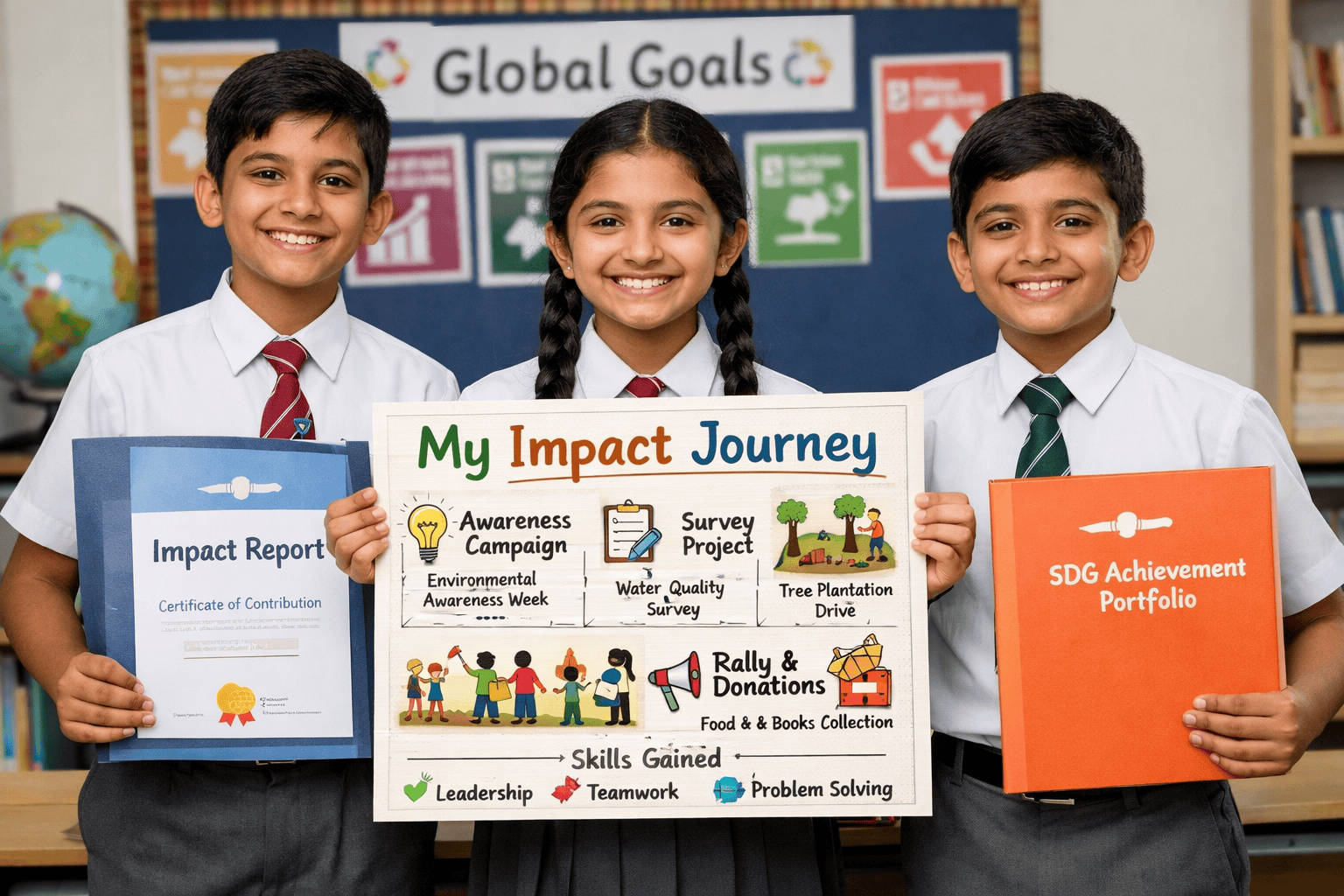
Students with Documented Impact Skills
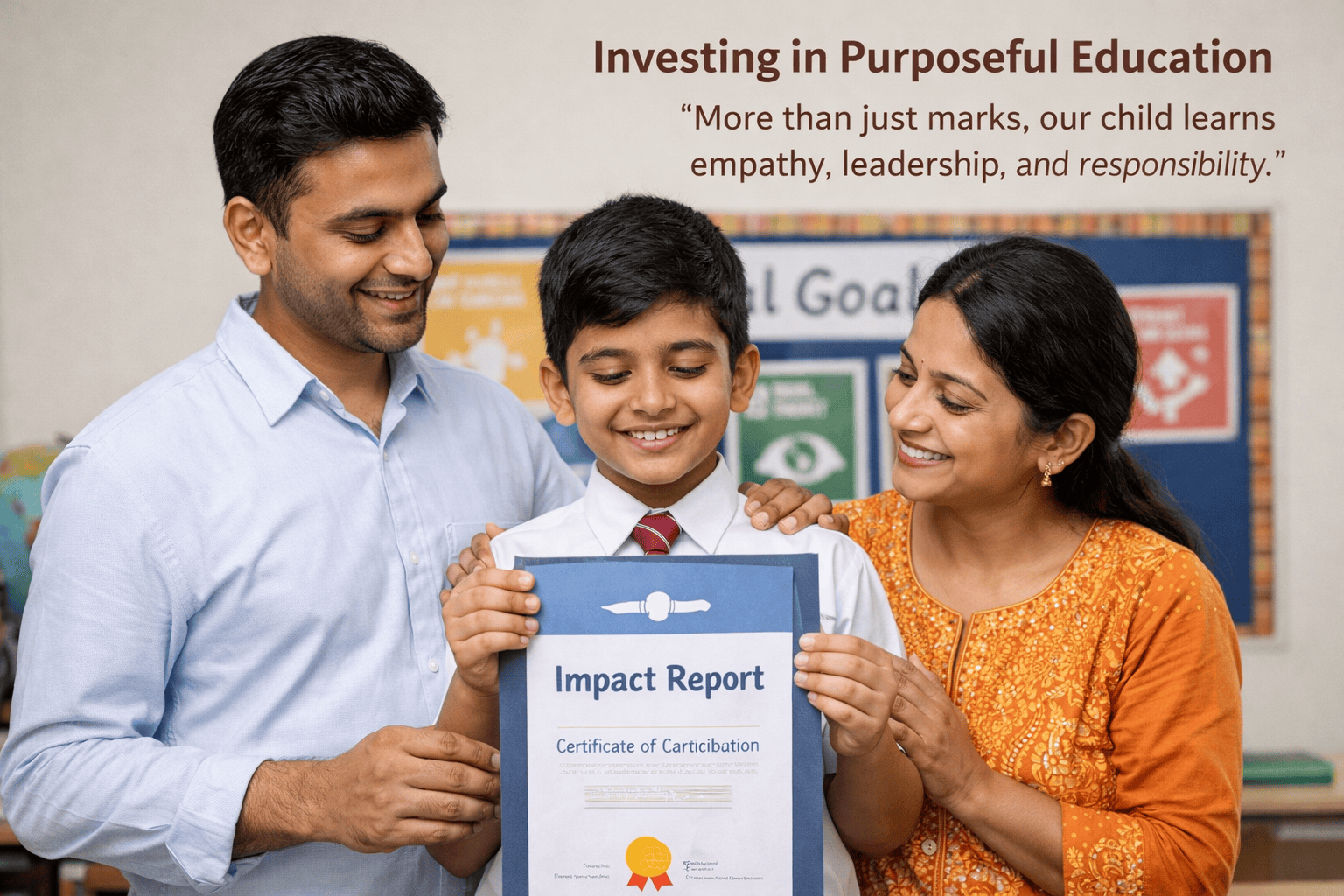
Parents Proud of Purposeful Education
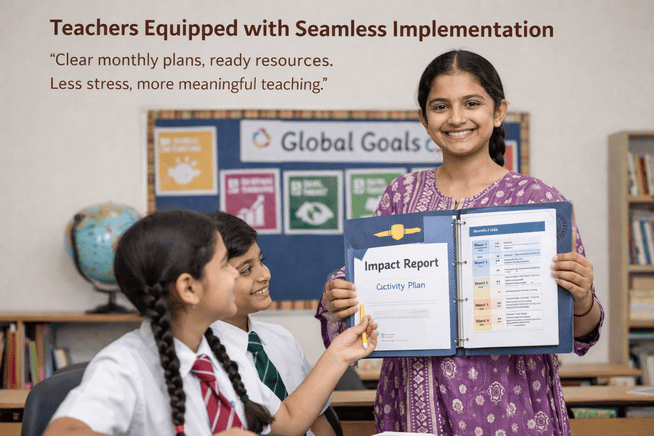
Teachers Equipped with Seamless Implementation
Aligning Schools with Global Goals (UN SDGs)
By joining the program, your school becomes part of a globally recognized impact framework. Students connect classroom learning with global challenges and learn responsibility as global citizens.
SDG Mapped Areas
Education Support SDG 4 – Quality Education Environment & Climate SDG 13 – Climate Action; SDG 15 – Life on Land Women Empowerment SDG 5 – Gender Equality
Elderly Care SDG 3 – Good Health & Well-being Rural Development SDG 1 – No Poverty; SDG 8 – Decent Work
What This Means for Your School?
- Be recognized as an SDG-aligned educational institution
- Strengthen impact narratives for boards and parents
- Provide experiential learning tied to global goal
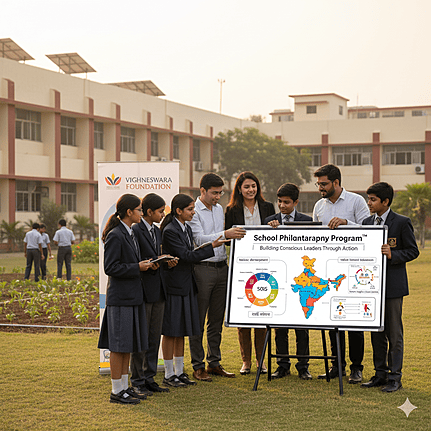
How The Program Works: The Monthly Impact Cycle
The School Philanthropy Program is a scalable, 12-month framework that integrates social impact into the academic calendar. Every drive connects student action directly to a global goal, ensuring learning through experience (Experiential Learning - NEP Key Principle)
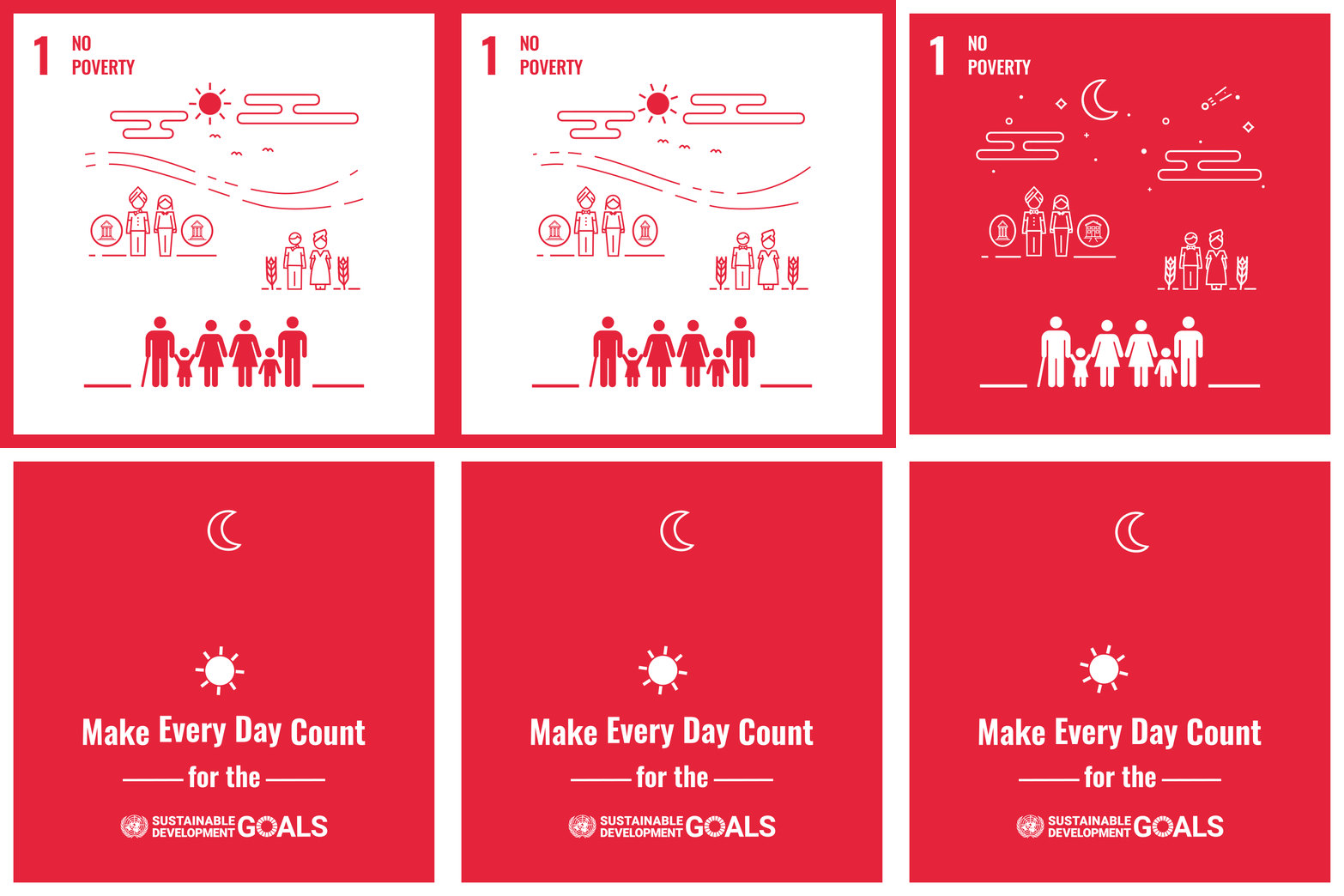
SDG 1 – No Poverty
Students can organize donation drives, sponsor poor students’ education, collect books, uniforms, and support families in need through school charity initiatives.
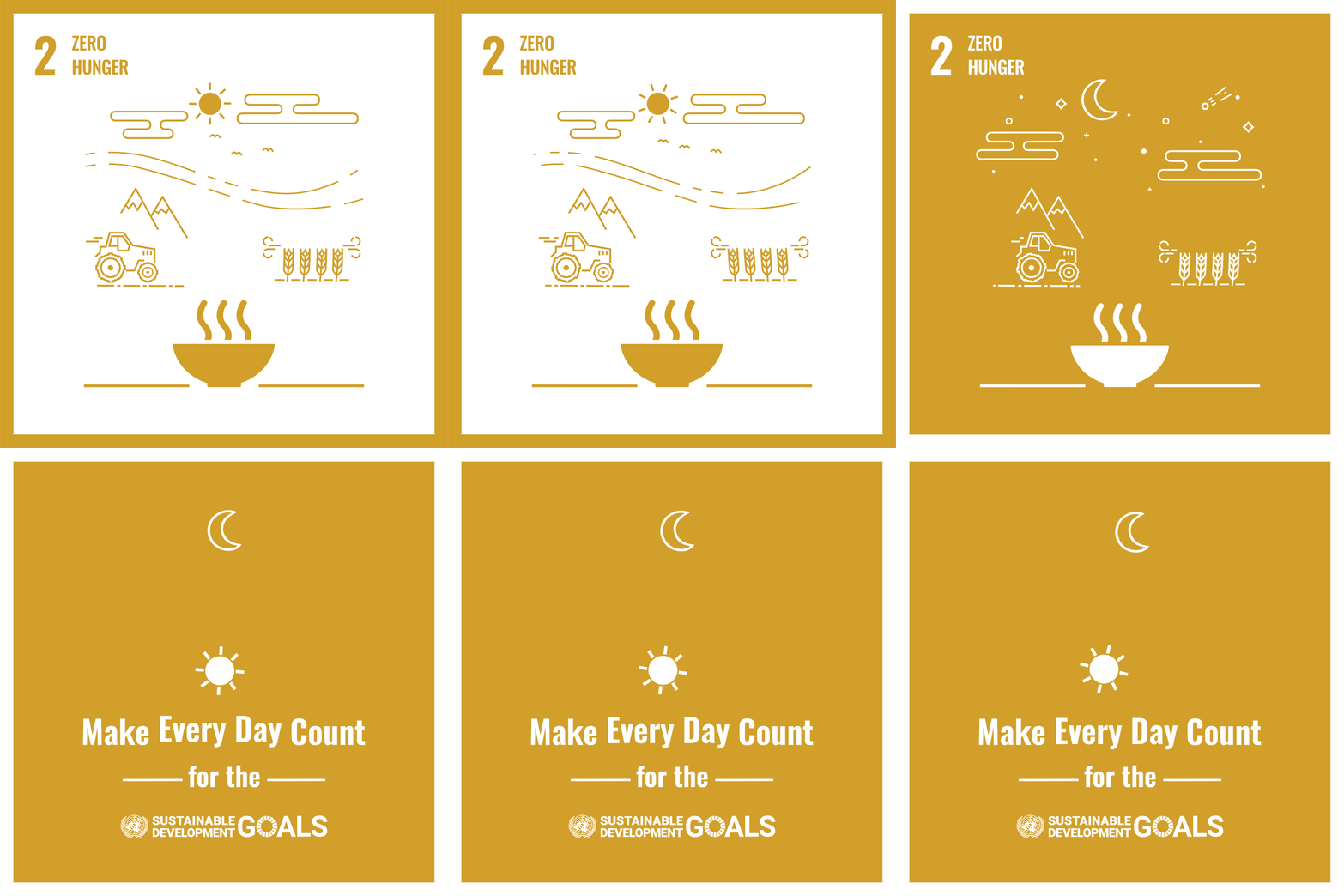
Zero Hunger Drives
Students can run food donation campaigns, mid-day meal support, community kitchens, and awareness programs about nutrition.
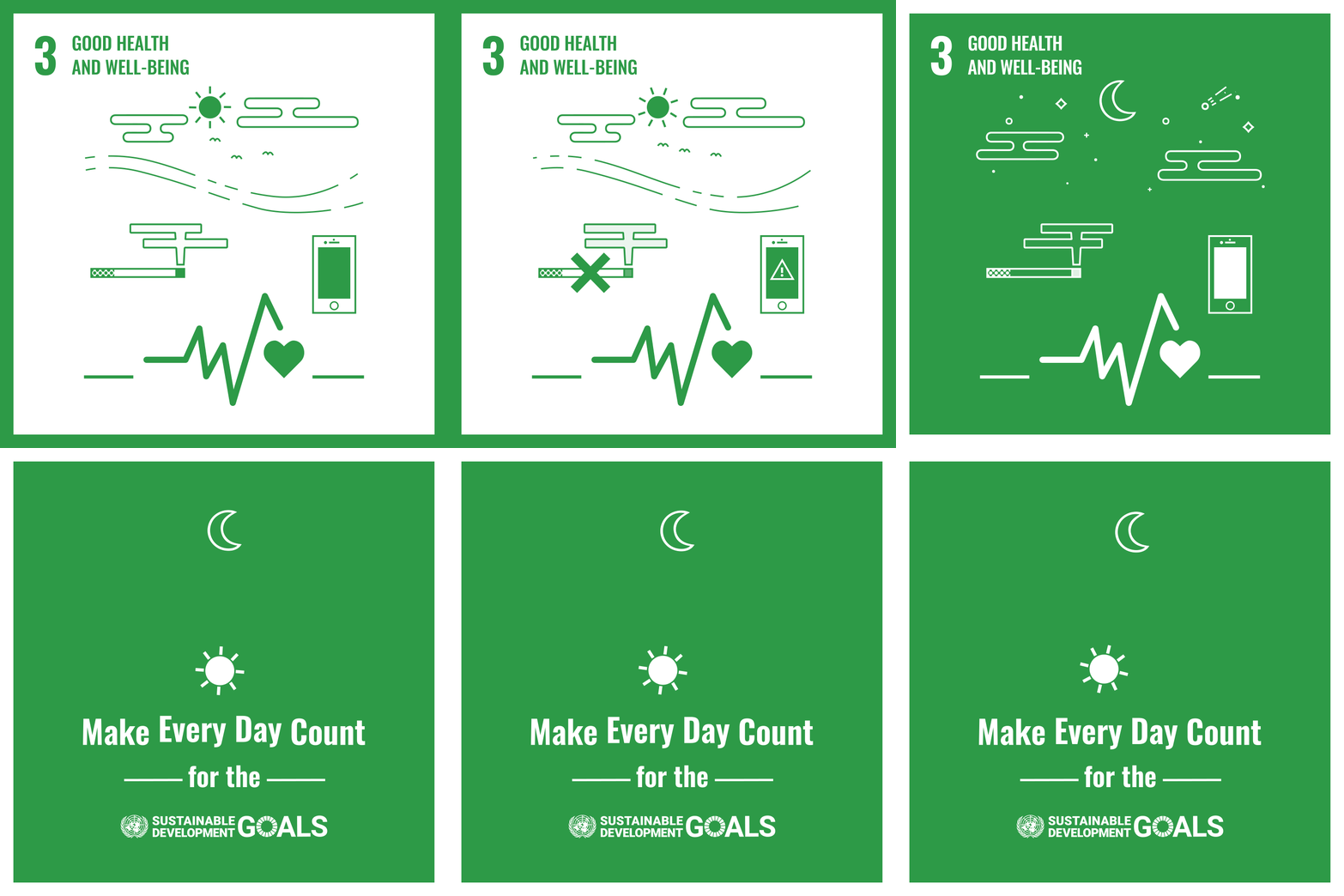
Good Health and Well-being
Schools can organize health camps, mental health awareness sessions, yoga activities, and hygiene education programs for the community.
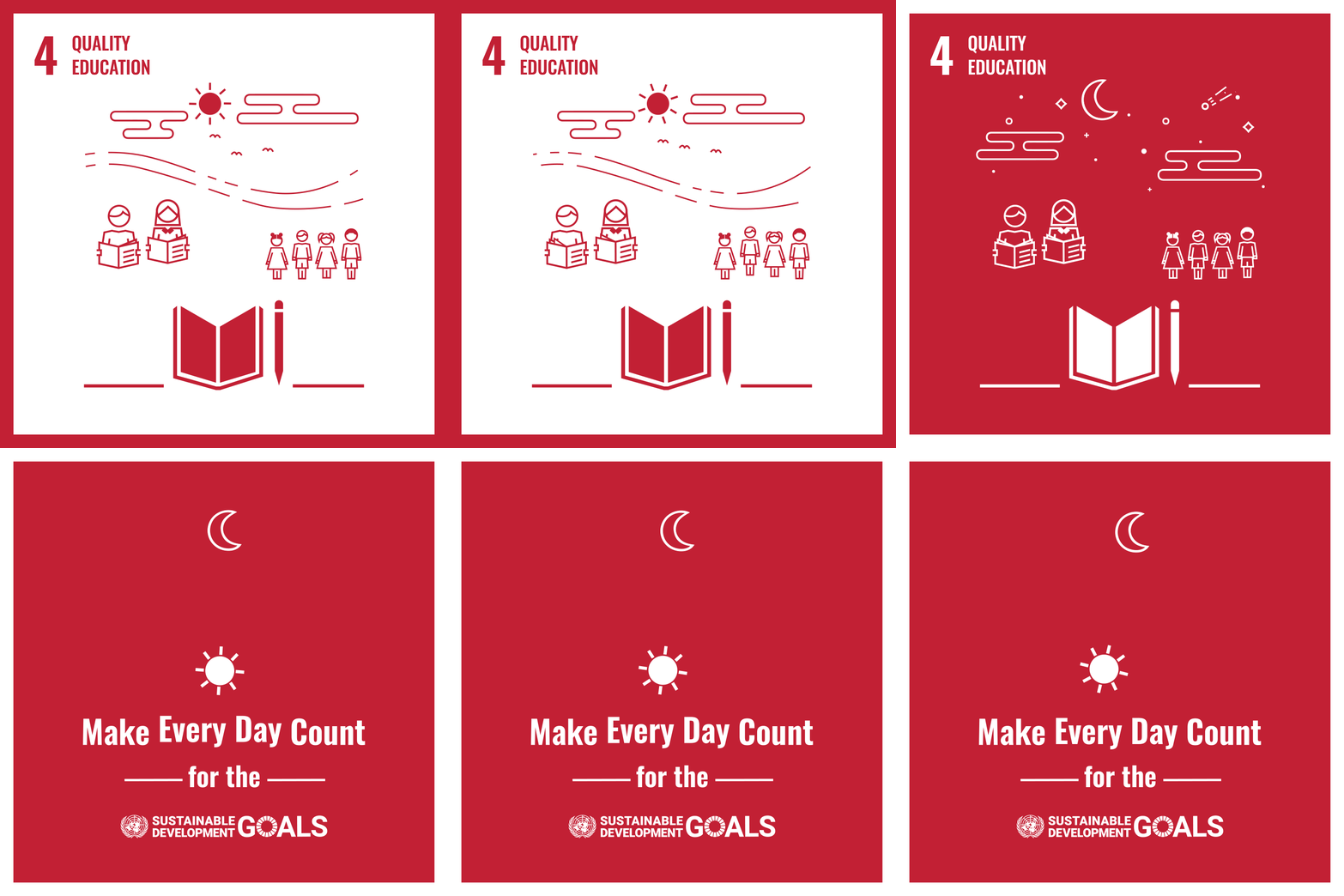
Book/Stationery Drives
Students can volunteer to teach underprivileged children, donate books, support digital learning, and create learning support groups.
Gender Equality
Schools can promote equal opportunities for girls, run awareness programs about girls’ education, and support campaigns against discrimination.
Clean Water and Sanitation
Students can participate in clean water awareness campaigns, sanitation drives, and help communities improve hygiene practices.

Affordable and Clean Energy
Schools can educate students about renewable energy like solar power and promote energy conservation in homes and communities.
Decent Work and Economic Growth
Students can learn entrepreneurship, support skill development programs, and encourage local employment initiatives
Industry, Innovation and Infrastructure
Students can work on innovation projects, science models, and technology solutions that solve real community problems.
Reduced Inequalities
School programs can support marginalized communities, promote inclusion, and encourage respect for diversity.
Sustainable Cities and Communities
Students can participate in cleanliness drives, community improvement projects, and urban sustainability awareness campaigns.
SDG 12 – Responsible Consumption and Production
Students can promote recycling, reduce plastic use, and practice responsible consumption habits in school and home.
SDG 13 – Climate Action
Students can plant trees, run climate awareness campaigns, and participate in environmental protection projects.
SDG 14 – Life Below Water
Students can learn about water conservation, protect rivers and lakes, and promote awareness about marine pollution.
SDG 15 – Life on Land
Schools can organize tree plantation drives, biodiversity awareness, and conservation activities.
SDG 16 – Peace, Justice and Strong Institutions
Students can plant trees, run climate awareness campaigns, and participate in environmental protection projects.
Why Partner With Us?
Our program is engineered to serve the unique needs of our core stakeholders: